The Biggest IPO in History — And It's a Satellite Internet Story
Today, SpaceX shares begin trading on the Nasdaq under the ticker SPCX. The company priced its offering at $135 per share, selling roughly 555.6 million shares to raise about $75 billion — more than two and a half times the previous record set by Saudi Aramco in 2019. At a valuation near $1.77 trillion, SpaceX debuts as one of the most valuable companies on any exchange, ahead of Tesla.
Strip away the headlines about rockets and you'll find the real engine of that valuation: Starlink. With more than nine million subscribers and company revenue that climbed 33% in 2025, satellite internet has gone from a niche experiment to the growth story institutional investors lined up to buy. The roadshow was reportedly oversubscribed many times over, and roughly 30% of shares were set aside for retail investors — triple the industry norm.
Ravion® · Built only for Starlink Mini
Run your Mini up to 9 hours, no outlet.
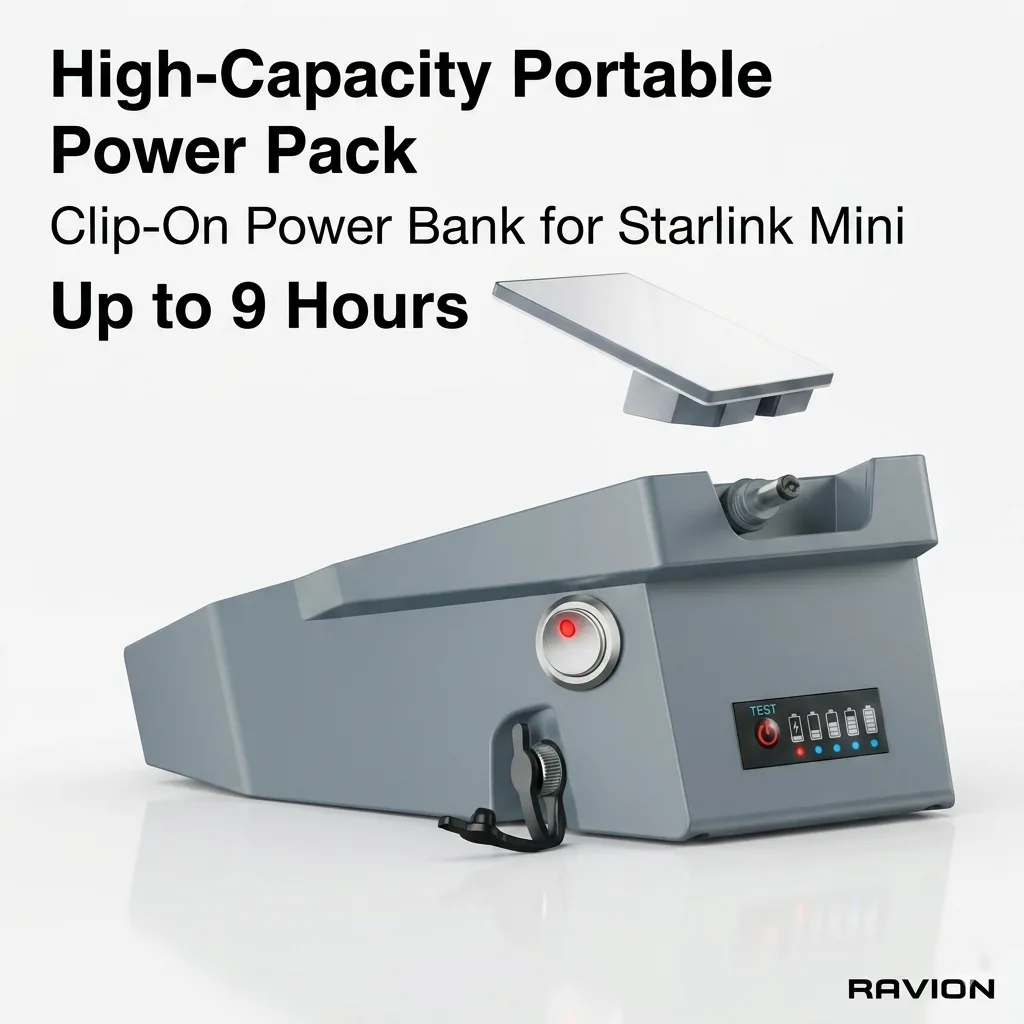
Ravion® Battery
158Wh · up to 9 h runtime · IP65 · 2.6 lbs · Under FAA 160Wh limit
$328 Shop now →
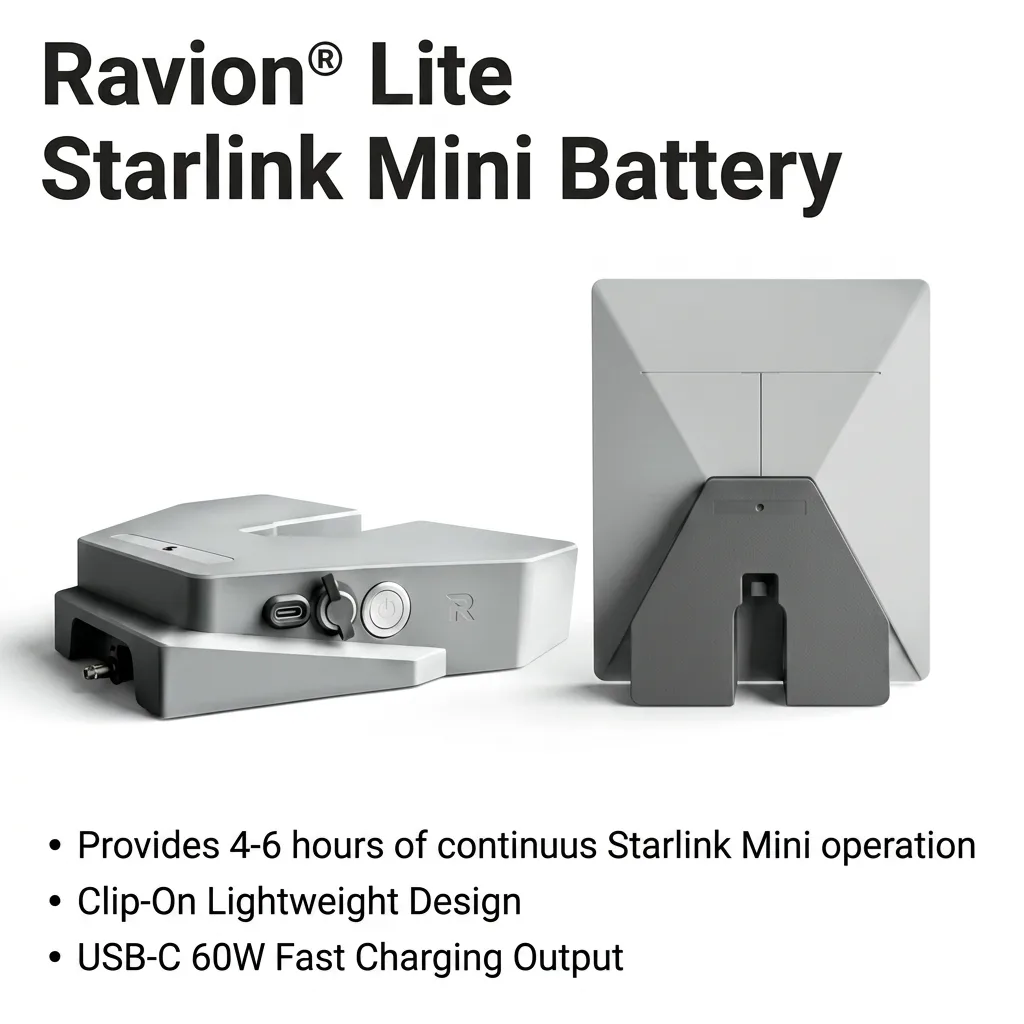
Ravion® Battery Lite
99Wh · up to 6 h runtime · 1.9 lbs · USB-C 60W out
$189 Shop now →
Free U.S. shipping · 30-day returns · 12-month warranty · Ships from California in 1 business day · See all power kits
What the IPO Actually Means for Starlink Mini Users
An IPO of this size isn't just a payday — it's fuel. A public SpaceX with $75 billion in fresh capital has every incentive to keep doing the things that grow subscriber numbers: launching more satellites, increasing constellation capacity, expanding coverage, and pushing hardware like the Starlink Mini deeper into the mainstream.
For the people already running a Mini off-grid — RVers, vanlifers, boaters, pilots, remote workers, emergency responders — that translates into a simple bet: the dish you own is about to become more capable, better supported, and far more common at every campsite, marina, and job site. The Mini is no longer early-adopter gear. As of today, it's the consumer face of a trillion-dollar public company.
You Can't Buy at $135 — But You Can Buy the Picks and Shovels
Here's the honest truth about mega-IPOs: unless you got an allocation, you're buying at whatever the market decides after the opening bell — not the $135 allotment price. For most of us, the more practical move isn't on a brokerage app at all.
During the gold rush, the reliable money was in picks and shovels. In the satellite internet era, the equivalent is the gear that makes your Starlink Mini genuinely portable: dedicated power. The Mini's biggest limitation has never been coverage — it's the cord. A dish tethered to a wall outlet isn't portable internet; it's a window decoration. Purpose-built battery power is what turns Wall Street's trillion-dollar thesis into something you can actually use on a trail, a boat deck, or a tailgate.
Ravion® Battery for Starlink Mini
- 158Wh NCM lithium — up to 9 hours of runtime
- Clip-on design, no cords, no tools
- IP65 waterproof & dustproof
- Pass-through charging
- Flies carry-on with airline approval (101–160Wh band)
Ravion® Battery Lite
- 99Wh — flight-legal under the 100Wh limit
- 4–6 hours of Starlink Mini runtime
- Just 1.9 lbs, clip-on fit
- USB-C 60W output for phones & laptops
- IP65 waterproof & dustproof
Pair either battery with a mount, DC adapter, or travel case from our full lineup of Starlink Mini power kits and your dish goes wherever the constellation does.
The Bottom Line
June 12, 2026 will be remembered as the day satellite internet officially became Wall Street infrastructure. Whether SPCX pops, dips, or does both before lunch, the long-term signal is unambiguous: the constellation overhead is getting bigger, and the Starlink Mini is its flagship consumer device. The best position most of us can take isn't a stock ticker — it's making sure our own setup is ready to run anywhere, on its own power.